
Chitrakathi Shaili: Where Paintings Come Alive Through Storytelling
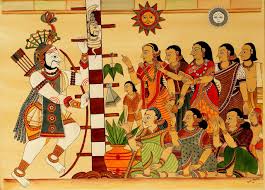
Imagine a time before screens, when stories didn’t scroll—they unfolded. A storyteller stands before a small gathering, holding painted panels in hand. With every turn of the image, a new scene emerges—heroes rise, battles unfold, and gods speak. The air fills with the sound of rhythmic instruments, and for a moment, the audience is transported into another world.
This is the magic of Chitrakathi Shaili—a centuries-old storytelling tradition from Maharashtra that beautifully blends art, music, and performance.
A Glimpse into the Origins
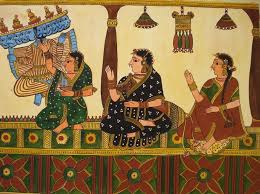
Dating back to the 17th century, Chitrakathi finds its roots in Pinguli village in the Sindhudurg district of Maharashtra. It has been carefully preserved and practiced by the Thakar community, who have passed down this art form through generations.
The name itself tells its story—Chitra meaning painting and Katha meaning story. Together, they form a powerful narrative medium where visuals and voice come together in harmony.
When Art Becomes a Performance
What makes Chitrakathi truly captivating is that it is not just seen—it is experienced.
The storyteller uses a series of hand-painted images, revealing them one by one as the narrative unfolds. These visuals are accompanied by expressive storytelling and traditional instruments like the tuntuna, cymbals, and huduk, creating a rhythm that draws the audience deeper into the tale.
The stories often come from timeless Indian epics like the Ramayana and Mahabharata, along with regional legends. But what makes them special is not just the story—it’s how it is told.
The Visual Language of Chitrakathi
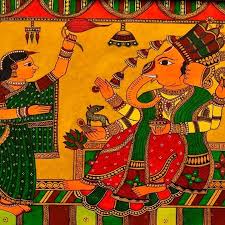
Each painting in Chitrakathi is more than an image—it is a moment frozen in a story.
You’ll notice bold, stylized figures with wide, expressive eyes, almost as if they are aware of being watched. The compositions are simple yet powerful, ensuring that the focus always remains on the central characters and key events. Traditionally, artists used natural colors, giving the paintings an earthy, timeless quality.
Every panel acts like a frame in a film—together, they create a flowing narrative that feels both intimate and grand.
More Than Paintings: A World of Storytelling
Chitrakathi artists are not limited to painted panels alone. Their storytelling often expands into leather shadow puppetry and string puppetry, adding layers of movement and drama to their performances.
This versatility reflects a deeper tradition—one where storytelling is not confined to a single medium, but expressed through multiple forms working together.
A Tradition on the Brink
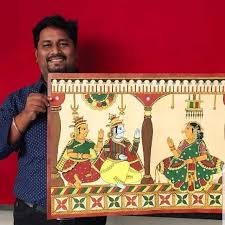
Despite its beauty and cultural richness, Chitrakathi is now a dying art form.
With the rise of digital entertainment and changing lifestyles, fewer audiences engage with traditional storytelling. Many artists struggle to sustain their craft, and only a small number of families continue this practice today.
Efforts are being made to preserve it, notably through institutions like the Thakar Adivasi Kala Angan (Museum & Art Gallery) in Pinguli, where this art form still breathes and evolves.
Why It Still Matters
In today’s fast-moving world, Chitrakathi offers something rare—a human connection to stories. It reminds us of a time when storytelling was shared, immersive, and deeply personal.
Preserving Chitrakathi is not just about saving an art form—it’s about keeping alive a way of seeing, feeling, and connecting with culture.
Chitrakathi Shaili is a testament to India’s rich artistic and narrative heritage. It stands at the intersection of visual art, oral tradition, and performance, offering an experience that is both simple and profound.
As viewers, readers, and curators, we have the opportunity to support and celebrate such traditions—ensuring that these stories continue to be told, not just remembered.